



 RU
RU
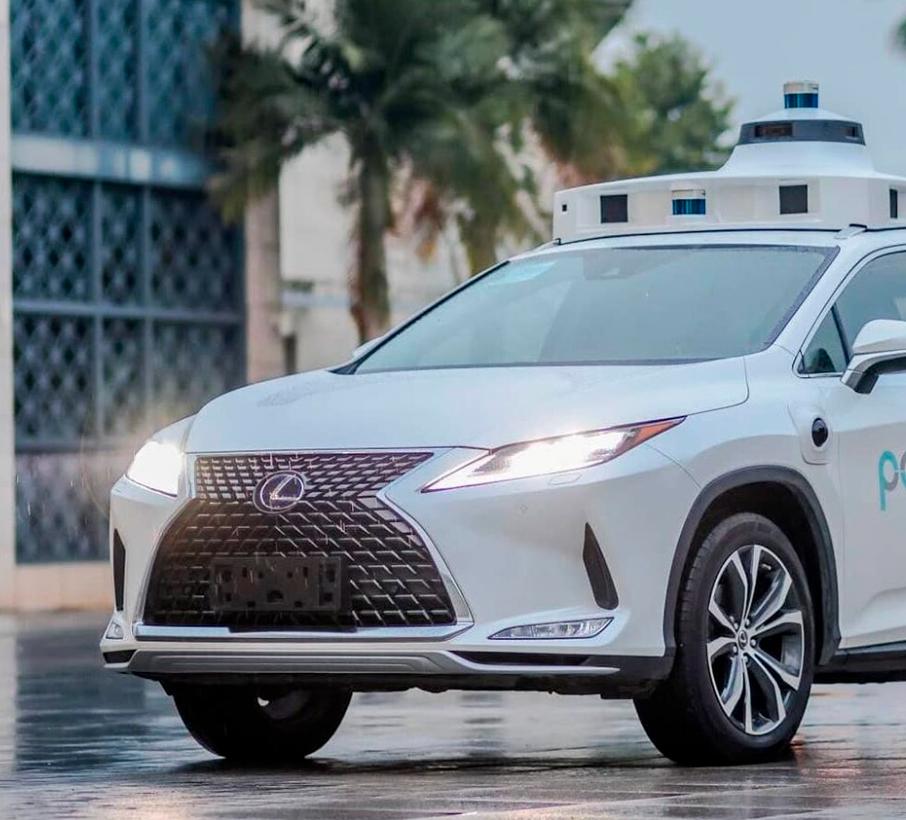
As early as next month, Portugal will begin official testing of self-driving vehicles on public roads. For the first time, the government has approved regulations that allow autonomous vehicles to be tested outside closed proving grounds.
Don’t expect any robot races just yet. During trials, a human operator with at least six years of driving experience must remain in the vehicle at all times, and the maximum speed is capped at 20 km/h. Operators are also held to a stricter blood alcohol limit — no more than 0.2 g/l.
Not everyone welcomed the news, however. Taxi drivers in Madeira and the Azores have already pushed back against the potential introduction of robotaxis in the autonomous regions. They argue that technologies designed for large cities are poorly suited to islands with mountainous terrain, unpredictable weather, and heavy dependence on tourism.
Industry representatives fear that autonomous vehicles could deprive hundreds of families of their livelihoods, and are demanding that any such projects be launched only after additional research and with the approval of local authorities.
In the broader picture, Portugal is catching up rather than setting the pace. Germany, France, Spain, Finland, and several other European countries have been conducting public-road trials of autonomous vehicles for years — and some are already testing robotaxis and self-driving shuttles. Until recently, Portuguese law did not permit such trials at all, making the current reform less of a revolution than a long-overdue connection to an already well-established European trend.
