



 RU
RU
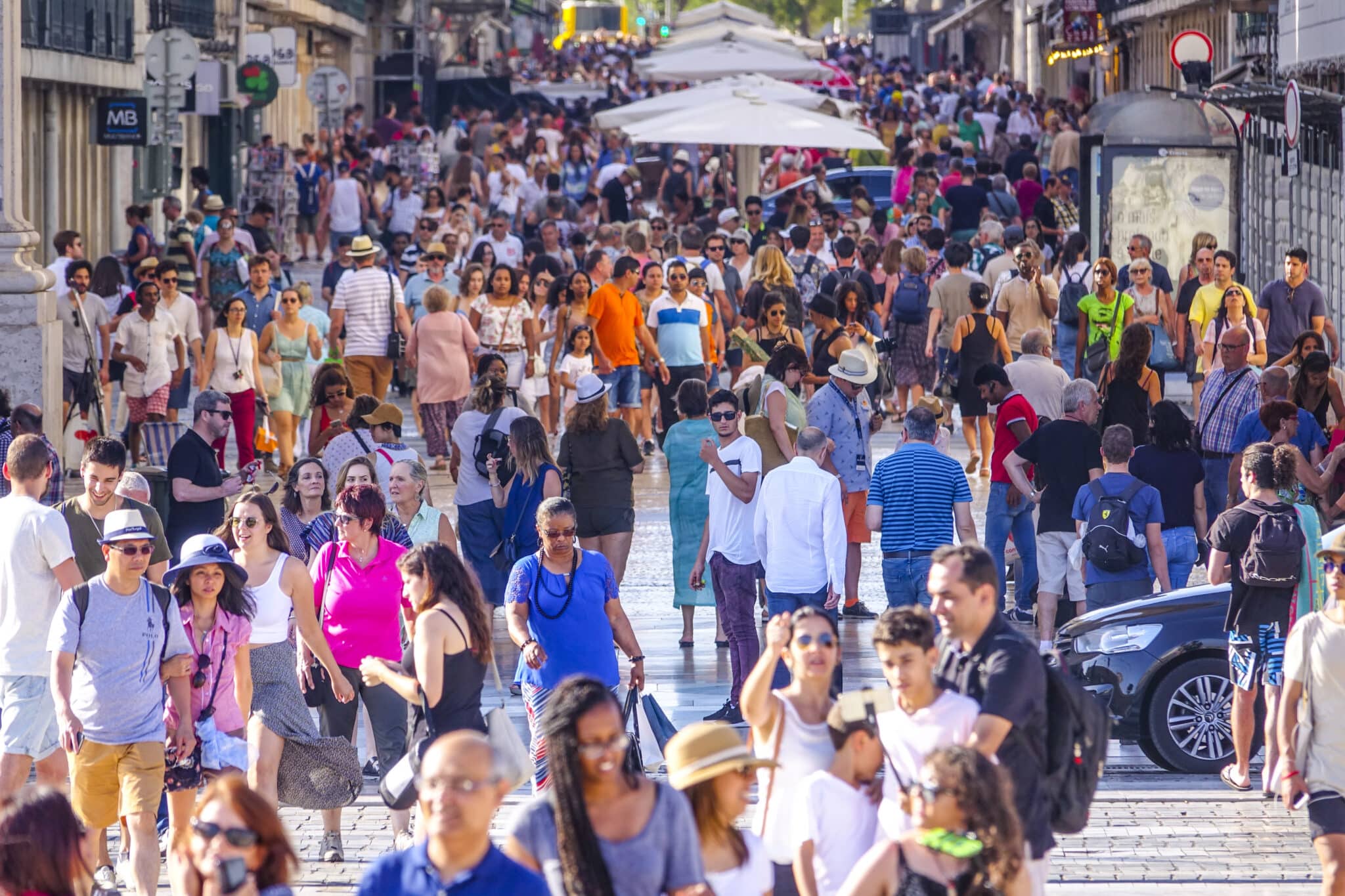
Portugal’s economy is currently one of the most resilient in the eurozone. But the International Monetary Fund warns that one of the biggest threats to its future growth stems from efforts to curb immigration.
Why does it matter?
According to the IMF, Portugal’s population continues to age, making the economy increasingly dependent on the inflow of foreign workers. If immigration policy becomes more restrictive and the number of new arrivals declines, the country could face slower economic growth and renewed inflationary pressures.
The Fund therefore argues that maintaining the inflow of foreign workers is essential. Without them, sustaining the current pace of economic growth will become significantly more difficult.
The economy remains on solid footing
The report notes that Portugal once again outperformed the eurozone average in 2025. The government posted a budget surplus for the third consecutive year, while public debt fell below 90% of GDP. By comparison, it had reached 134% in 2020. Unemployment remains low, inflation has almost returned to target, and tourism continues to support economic activity.
But challenges remain
The IMF points out that living standards in Portugal are still well below the EU average. Although public debt is declining, it remains high, while rapidly rising housing costs are placing increasing pressure on household budgets.
The Fund also warns of external risks. An escalation of the conflict in the Middle East could slow economic growth and reignite inflation.
Overall, the IMF’s conclusion is clear: Portugal’s economy is in good shape, but sustaining its current momentum will become increasingly difficult without foreign workers and progress in addressing the country’s longstanding structural challenges.
