



 RU
RU
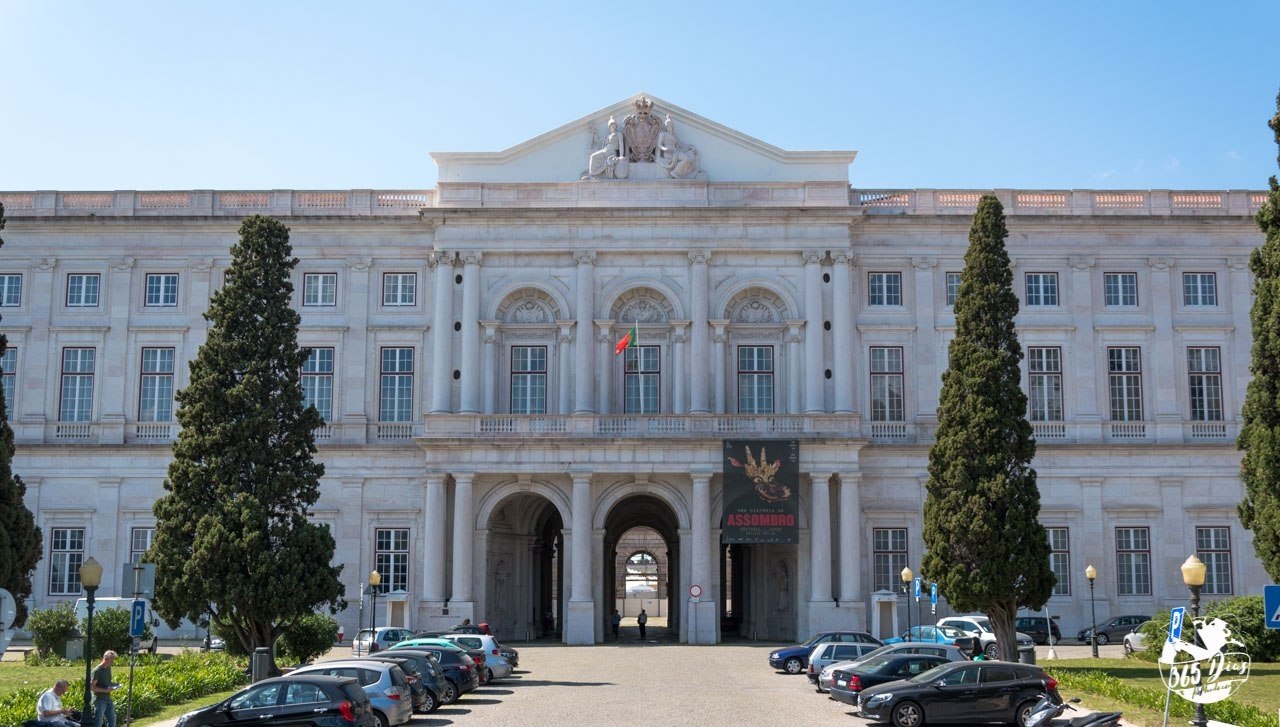
The National Palace of Ajuda in Lisbon, the principal symbol of Portugal’s monarchy, is scheduled to reopen in September following an extensive restoration project that cost the Portuguese state €12.8 million.
The works, which began more than a year ago, covered the building’s structure, façades, decorative elements, towers, roof and historic interiors.
One of the project’s most significant outcomes will be the opening to the public of three so-called “Treasury Rooms,” which have remained closed for more than a century.
From a Portuguese perspective, Ajuda’s importance lies not in being the country’s most beautiful or most famous palace. Portugal is home to older palaces and more spectacular monasteries. What makes Ajuda unique is that it preserves the memory of the final chapter of the Portuguese monarchy. The royal family lived here until 1910, and it was here that the everyday business of the state unfolded on the eve of the republic’s birth.
The Portuguese generally have a distinctive relationship with their past. They rarely idealize their monarchs, yet they place great value on continuity. The palace has preserved its interiors, furniture, tableware, decorative objects and the atmosphere of the last royal residence. As a result, visitors can quite literally connect with the Portugal that existed before revolutions, dictatorship, European integration and mass tourism.
For that reason, Ajuda evokes less a sense of pride than a feeling of saudade — the uniquely Portuguese sense of wistful longing for a bygone era. It is here that one most clearly understands that Portugal was once a vast global power and is today a small country on Europe’s western edge that carefully safeguards its historical memory.
All planned works are expected to be completed by 31 August, although some restoration activities will continue beyond that date. Such delays are hardly unusual. The palace itself was never fully completed. Construction stretched over decades, designs were repeatedly revised, budgets were cut and works postponed. Ajuda remains slightly unfinished — a physical embodiment of Portugal’s own historical trajectory, where grand ambitions have so often collided with reality. It is no coincidence that the palace is sometimes referred to as the country’s most enduring unfinished project.
