



 RU
RU
f there is one month that offers the best insight into Portugal, it is June. This is when the country reconnects with its religious traditions, pays tribute to its national poet, and hosts the year’s most famous popular celebrations.
As early as June 4, Portugal marks Corpus Christi, one of the most important days in the Catholic calendar. Its origins date back to the 13th century, when the Catholic Church established a separate feast dedicated to the Eucharist — the sacrament regarded as central to the Catholic faith.
The defining feature of the holiday is the procession of the Blessed Sacrament. After a solemn Mass, priests carry a monstrance — an ornate vessel containing the consecrated host, which in Catholic tradition symbolizes the presence of Christ — through the streets. In many regions, procession routes are decorated with flowers, while worshippers accompany the event with prayers and hymns. In essence, it is one of those occasions when religious tradition extends beyond church walls and becomes part of public life.
Just a few days later, however, the country celebrates another major holiday. June 10 is Camões Day (officially Portugal Day, Camões Day and Portuguese Communities Day), the nation’s principal national holiday.
The date is no coincidence. It was on June 10, 1580, that Luís de Camões died. In Portugal, the poet can be compared to a combination of Pushkin, Shakespeare and Homer. His epic poem The Lusiads tells the story of the Age of Discovery and the transformation of a small European kingdom into a global maritime power. We will tell you more about him separately.
The writer’s death coincided with a dramatic period in the country’s history. Soon afterward, Portugal lost its independence and came under the rule of the Spanish Crown. Over time, Camões became a symbol not only of Portuguese literature but of Portuguese identity itself. It may seem unusual that the country’s main national holiday is linked to a death that was followed by the loss of independence, but apparently that is still reason enough to celebrate.
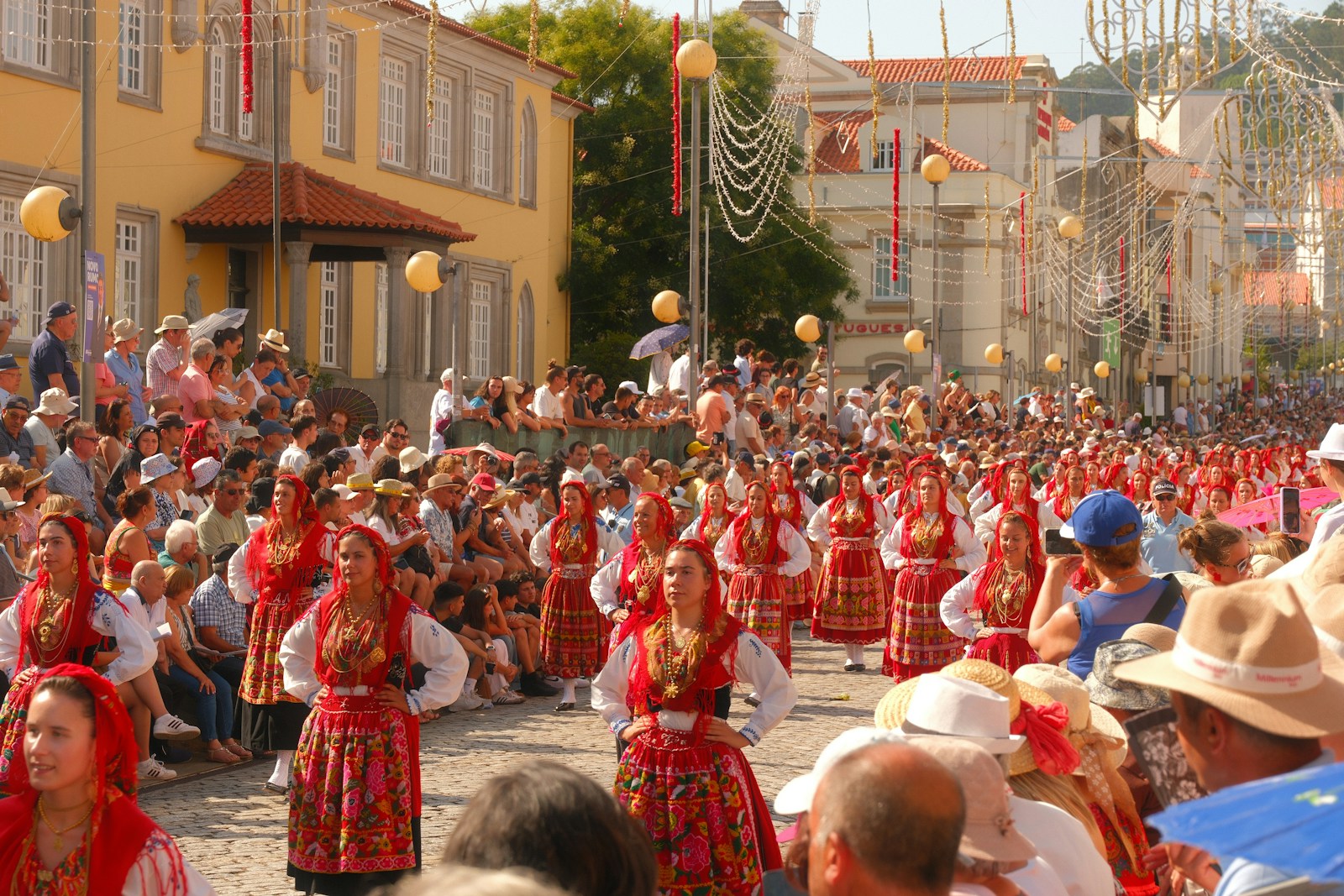
The June festivities do not end there. Across Portugal, the famous festas populares — traditional celebrations honoring beloved patron saints — soon begin.
On June 13, Lisbon celebrates Saint Anthony’s Day. Saint Anthony is the city’s patron saint and is also widely regarded as a matchmaker for those seeking love.
Then, on June 24, Porto marks Saint John’s Day with fireworks, concerts and the long-standing tradition of playfully hitting one another on the head with plastic hammers.
Finally, on June 29, many municipalities, including Sintra and Évora, hold celebrations in honor of Saint Peter.
Although these last three dates are public holidays only in certain municipalities rather than across the entire country, they are precisely what create the distinctive atmosphere of a Portuguese June — something locals look forward to every year.
