



 RU
RU
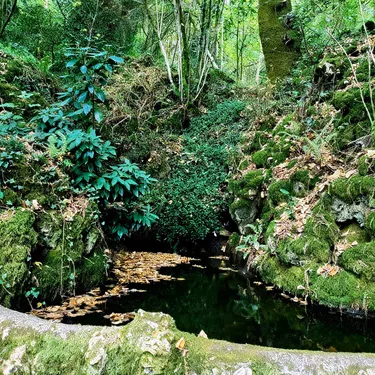
On Friday, July 17, the Mata Nacional do Bussaco located in the municipality of Mealhada, will officially become the first certified therapeutic forest on the Iberian Peninsula and only the fourth in the world.
Until now, this status had been awarded to just three forests: Benediktinerstift in Austria, and Lahnstein and Bad Nauheim in Germany. The certification is the result of years of collaboration between the Bussaco Forest Foundation and the agency Destinature. It is granted by the International Therapeutic Forest Certification Bureau following a rigorous evaluation process. The designation recognizes not only the forest’s exceptional natural value but also long-term commitments to sustainable management, biodiversity conservation, and the development of nature-based wellness tourism.
Covering around 105 hectares, Bussaco Forest is home to one of Europe’s finest dendrological collections, with approximately 250 species of trees and shrubs, including rare specimens from around the world. In December 2017, it was designated a National Monument of Portugal.
What is a therapeutic forest?
A therapeutic forest is a natural area officially certified for its positive effects on physical and mental well-being. Beautiful scenery alone is not enough. Certified forests must offer clean air, peaceful surroundings, trails of varying difficulty, and guided wellness programs led by trained forest therapy practitioners.
The concept originated in Japan. In 1982, the country’s Forestry Agency introduced the term shinrin-yoku (“forest bathing”) as a national public health initiative. Scientific studies published in the 2000s linked forest exposure to lower cortisol levels and blood pressure, as well as improved immune function, helping the practice spread worldwide.
International certification of therapeutic forests is still a very recent development. The first officially certified sites appeared in Austria and Germany only in the past few years, making Bussaco one of the world’s pioneering locations.
Why Bussaco?
Bussaco was once a protected Carmelite monastic forest. For centuries, tree cutting was prohibited under a 17th-century papal decree. Its unique microclimate, centuries-old cedars, and exotic species from every continent create an extraordinary natural environment. Nearby are the Luso thermal spa and the famous Bussaco Palace Hotel, providing an ideal setting for wellness tourism.
Walking Trails and How to Get There
The forest is open year-round, and hiking is its main attraction. AllTrails lists 13 routes, including the popular Luso – Viewpoints – Santa Cruz do Buçaco Convent trail (4.6★, approximately 6.8 km), the Cruz Alta – Lago Pequeno loop(5.3 km, around 1.5–2 hours), and the long-distance GR®49 trail.
More hiking suggestions are available on Komoot, including the Fonte Fria – Vale das Feteiras loop from Luso (about 6 km). Highlights include the monumental Fonte Fria staircase, the fern-filled Vale dos Fetos, the Via Sacra pilgrimage route with its 17th-century chapels, and Cruz Alta (545 m), the forest’s highest viewpoint, offering panoramic views that stretch to the Atlantic Ocean. Pedestrian entry is subject to a small fee, while vehicles must pay to enter inside the forest walls. Free parking is available near the eastern gate. Allow at least half a day to fully enjoy the area.
The easiest way to reach Bussaco from Lisbon is by car, a journey of about two hours. By public transport, take a train to Coimbra, then continue by regional train to Luso-Buçaco station or by bus to Luso. Services are relatively infrequent, so many visitors choose to take a taxi from Coimbra directly to the forest.
