



 RU
RU
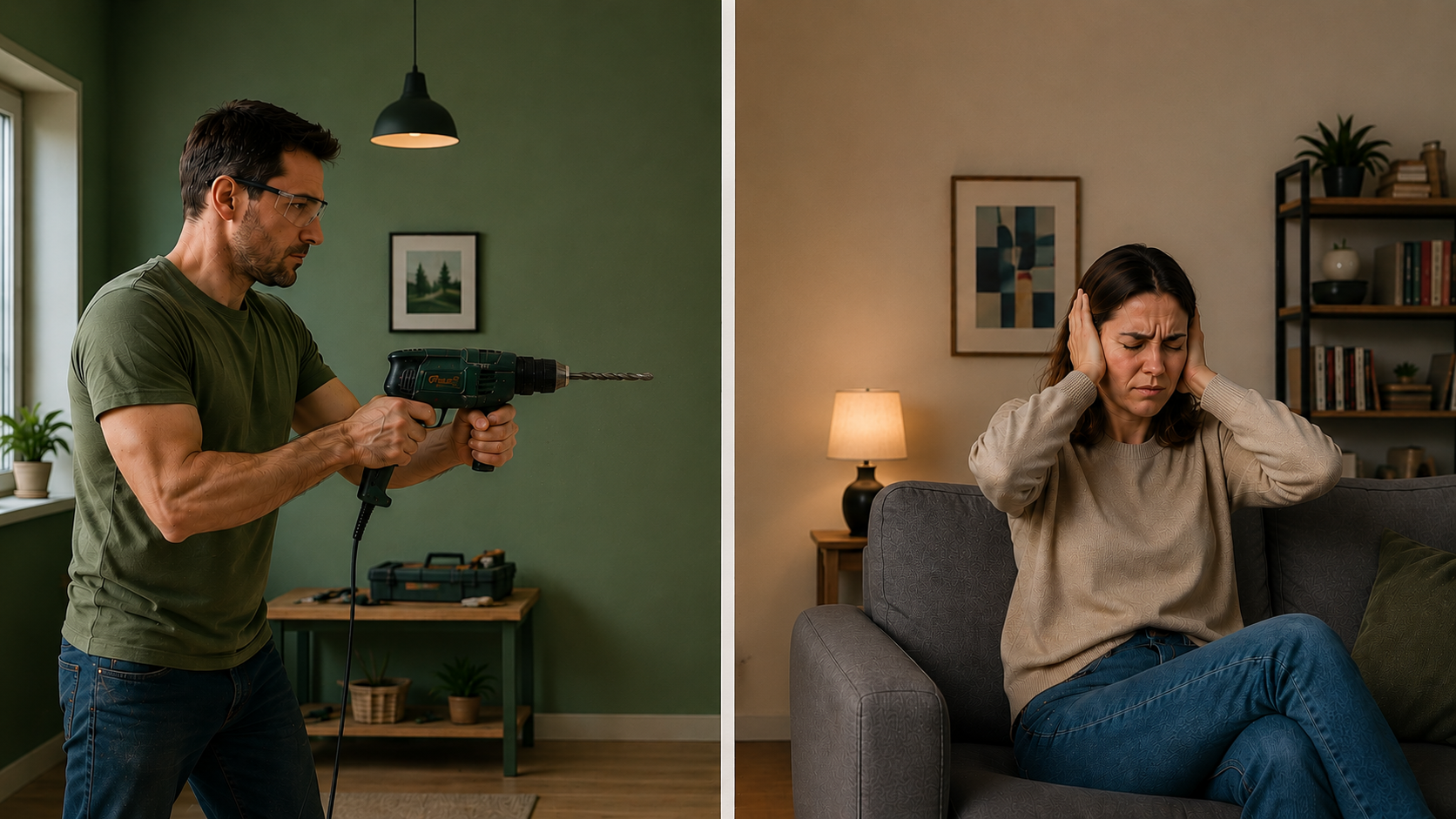
Many people assume that they are free to make as much noise as they like in their own home between 7:00 a.m. and 11:00 p.m. In reality, Portuguese law protects neighbours’ right to peace and quiet not only at night, but also during the day.
1. Daytime noise is allowed — within reason
Everyday household sounds, such as conversations, footsteps and the use of domestic appliances, are generally considered normal. However, loud music, persistent shouting, noisy parties or any other activity that disturbs neighbours may be deemed a violation even before 11:00 p.m.
2. Having a party does not exempt you from respecting your neighbours
Hosting guests and celebrating special occasions is perfectly legal. But if music can be heard throughout the building or the noise becomes disruptive, neighbours have the right to file a complaint.
3. If an agreement cannot be reached, the police can be called
In response to complaints about daytime noise, the police may require the disturbance to be addressed within a specified period. At night, enforcement is usually stricter, and the noise is generally expected to stop immediately.
4. Renovation work is subject to separate rules
Construction and renovation work in residential buildings is permitted only on weekdays between 8:00 a.m. and 8:00 p.m. Before work begins, residents must post a notice indicating:
the duration of the project;
the expected timing of the noisiest stages of the work.
5. Violations can result in fines
For individuals, fines range from €200 to €2,000. Penalties for companies are significantly higher and can reach €18,000.
6. Check your building’s rules
A condominium association may impose additional requirements on residents. The key condition is that such rules must not conflict with Portuguese law.
✅ The main principle is simple: in Portugal, what matters is not only the time on the clock, but also the extent to which your actions disturb others. Even during the day, your neighbours’ right to rest and tranquillity remains protected by law.
